Marine life · Guerrero Coast

Whales & Dolphins
at La Saladita.

Humpback migration Dec–Mar, peak Jan–Feb. Dolphins year-round. 6 species documented in this corridor.

La Saladita · 17.5897°N, 101.4317°W · Guerrero, Mexico

Humpbacks arrive December, peak January–February, and depart March. Bottlenose dolphins are year-round. Bryde's whales move through on pelagic passages.

5 cetacean species documented offshore

838 GBIF records for Humpback alone — the photo field guide.

Species guide

Five species documented in this corridor

View detail for Tursiops truncatus
Photo: Giles Laurent via Wikimedia Commons · CC BY-SA 4.0
Year-round resident

Bottlenose dolphin

Tursiops truncatus details → LC Uncommon in records — common in practice Last reported: —

The most commonly encountered dolphin nearshore. Work the surf line and offshore channels year-round, often in groups of 5–20 animals. Curious — they will sometimes bow-ride fishing boats. Adults reach 2–4 metres.

IUCN statusLeast Concern
SeasonYear-round
View detail for Delphinus delphis
Photo: H. Zell via Wikimedia Commons · CC BY-SA 3.0
Year-round, mainly offshore

Common dolphin

Delphinus delphis details → LC Uncommon in records — sparse coverage Last reported: —

Among the most numerous cetaceans globally. Typically seen offshore in large groups. Adults 1.7–2.4 m with striking yellow-and-grey flank pattern.

IUCN statusLeast Concern
SeasonYear-round
View detail for Stenella attenuata
Photo: National Oceanic and Atmospheric Administration via Wikimedia Commons · Public Domain
Year-round, offshore

Pantropical spotted dolphin

Stenella attenuata details → LC Common · offshore (effort-normalized Sep–Nov) Last reported: —

One of the most abundant dolphins in the eastern tropical Pacific. Fast, acrobatic, found offshore in large schools. Adults 1.6–2.5 m. 34 GBIF records 2000–2025 in this corridor.

IUCN statusLeast Concern
SeasonYear-round, offshore
View detail for Balaenoptera edeni
Photo: Lycaon.cl via Wikimedia Commons · CC BY-SA 3.0
Occasional

Bryde's whale

Balaenoptera edeni details → LC No records in study area Last reported: unconfirmed

A medium-sized baleen whale (12–15 m), one of the few rorquals that remains year-round in tropical waters. Documented in eastern tropical Pacific, but rare in this specific corridor (0 GBIF records 2000–2025).

IUCN statusLeast Concern
SeasonOccasional

Zero GBIF records for this corridor. Possible but unconfirmed.

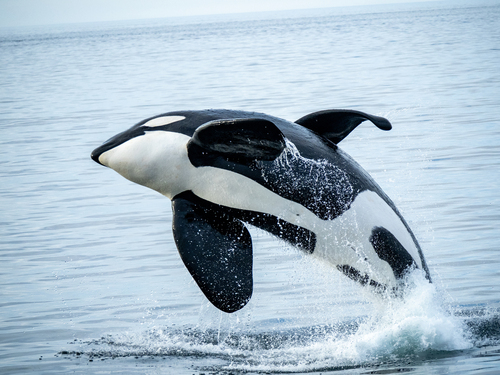
View detail for Orcinus orca
Orca / Killer whale (Orcinus orca)
Photo: iNaturalist · CC BY-NC
Rare · roaming

Orca (killer whale)

Orcinus orca details → DD Rare — but documented in the study area Last reported: —

The largest dolphin, apex predator of every ocean. Not resident here, but roaming pods pass along the Guerrero coast and have been documented in the study area (iNaturalist records). Unmistakable: tall black dorsal fin, bold black-and-white pattern, up to 8–9 m. A once-in-many-seasons sighting.

IUCN statusData Deficient
SeasonRare, roaming

Humpbacks arrive December, peak January–February, depart March. Central American–Mexican Pacific population; feeds summers off British Columbia and Gulf of Alaska. Calves common Jan–Feb. 838 GBIF records 2000–2025 in this corridor. Dolphins (bottlenose, common, pantropical spotted) are year-round residents; GBIF records are sparse (8–34 per species) reflecting low survey effort, not low abundance.

Seasonal calendar

When to look

Jan
🐋 🐬
Feb
🐋 🐬
Mar
🐋 🐬
Apr
🐬
May
🐬
Jun
🐬
Jul
🐬
Aug
🐬
Sep
🐬
Oct
🐬
Nov
🐬
Dec
🐋 🐬
Humpback peak (Jan–Feb)
Humpback active (Mar)
Humpback arrivals (Dec)
Dolphins only
Common at Saladita

What you're likely to see

  • Megaptera novaeangliaeCommon · Dec–Mar
  • Stenella attenuataCommon · seasonal (offshore)

Frequency from 25-year GBIF records. Humpback dominates (838 of 889 total records). Dolphin counts reflect sparse observation coverage — actual encounter rates nearshore are higher than records suggest.

Data note

Sparse coverage for dolphins

Bottlenose (9 records), Common (8 records), and Bryde's (0 records) are severely underrepresented in GBIF for this corridor. Year-round presence is documented in the regional literature. The absence from the database reflects survey effort, not species absence. Any Bryde's whale sighting here would be exceptional — document and report to iNaturalist.

Live data

Recent sightings

GBIF records within 150 km, updated in real time. Most originate from iNaturalist and research surveys.

Loading recent cetacean records…

Sources

Data last refreshed: