The species you'll actually see.
Photo field guide, GBIF + Sound ID
Herons & wading birds (the signature group)
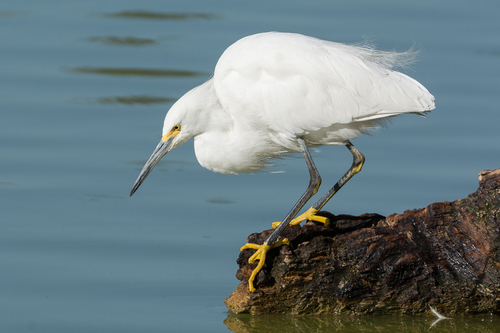
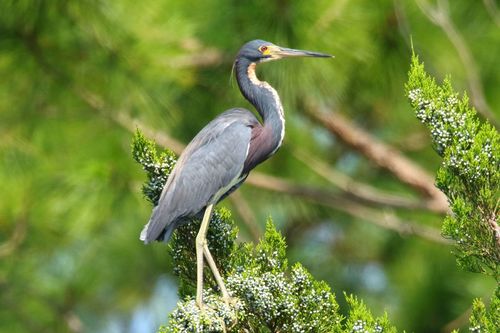 Garceta tricolor
Tricolored Heron
Egretta tricolor
Lagoon shallows
Garceta tricolor
Tricolored Heron
Egretta tricolor
Lagoon shallows
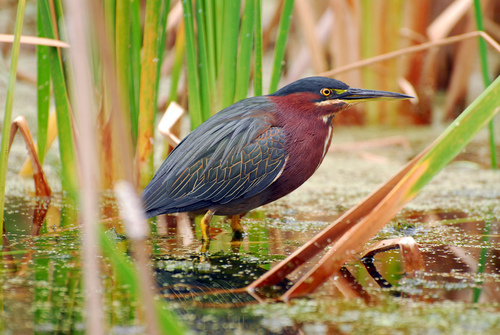 Garcita verde
Green Heron
Butorides virescens
Mangrove edges
Garcita verde
Green Heron
Butorides virescens
Mangrove edges
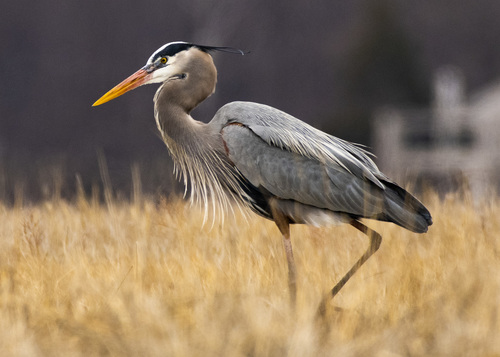

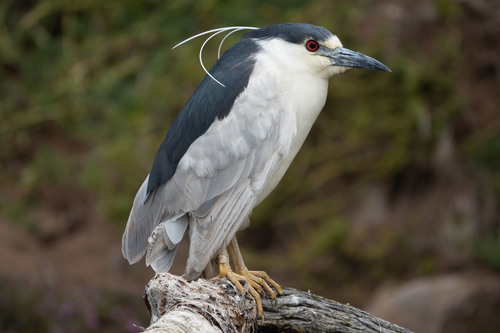 Pedrete corona negra
Black-crowned Night-Heron
Nycticorax nycticorax
Dawn / dusk
Pedrete corona negra
Black-crowned Night-Heron
Nycticorax nycticorax
Dawn / dusk
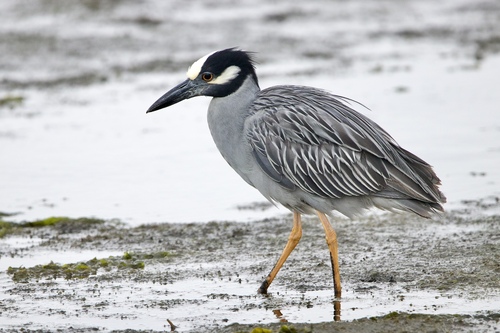 Pedrete corona clara
Yellow-crowned Night-Heron
Nyctanassa violacea
Crepuscular
Pedrete corona clara
Yellow-crowned Night-Heron
Nyctanassa violacea
Crepuscular
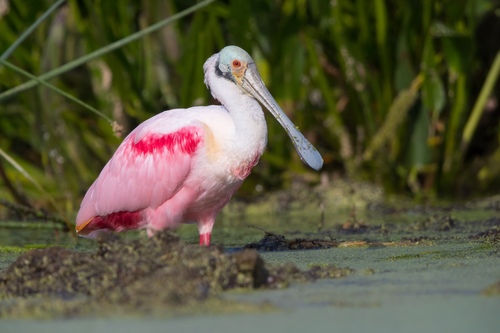 Espátula rosada
Roseate Spoonbill
Platalea ajaja
Year-round, peak winter
Espátula rosada
Roseate Spoonbill
Platalea ajaja
Year-round, peak winter
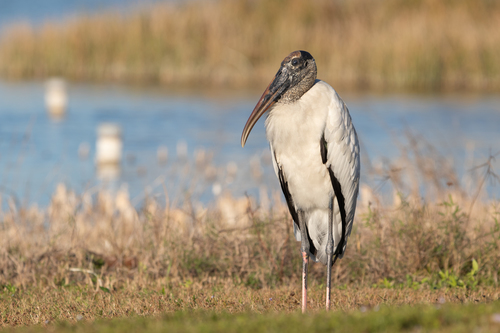
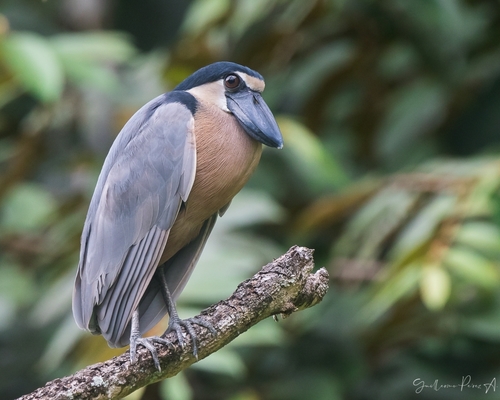 Garza cucharón
Boat-billed Heron
Cochlearius cochlearius
Rarity — secretive
Garza cucharón
Boat-billed Heron
Cochlearius cochlearius
Rarity — secretive
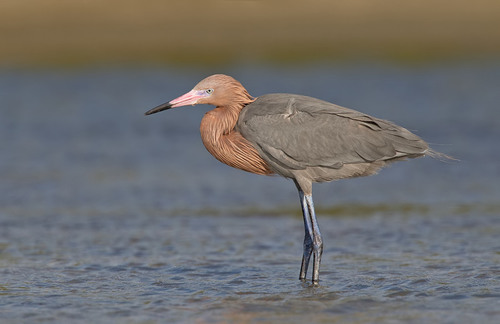 Garceta rojiza
Reddish Egret
Egretta rufescens
Rarity — Near Threatened
Garceta rojiza
Reddish Egret
Egretta rufescens
Rarity — Near Threatened
Ducks & waterfowl (lagoon & agricultural fields)
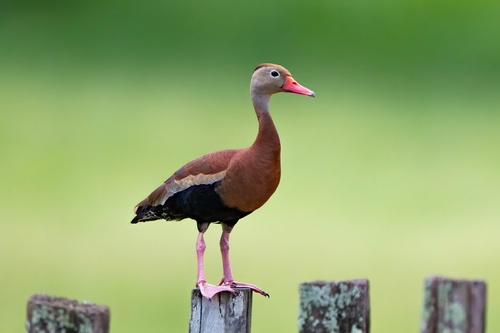 Pijij / Pijiji aliblanco
Black-bellied Whistling-Duck
Dendrocygna autumnalis
Pink legs & bill, white wing flash in flight
Pijij / Pijiji aliblanco
Black-bellied Whistling-Duck
Dendrocygna autumnalis
Pink legs & bill, white wing flash in flight
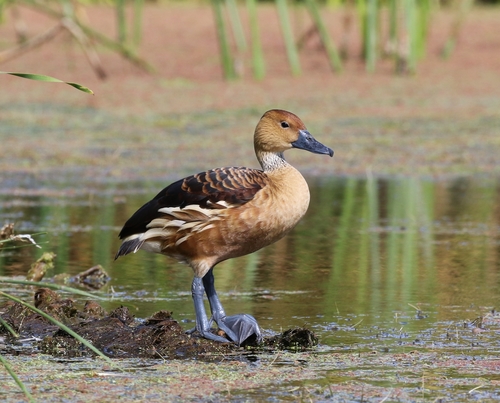 Pijiji canelo
Fulvous Whistling-Duck
Dendrocygna bicolor
Buffy-cinnamon overall, often with the Black-bellied
Pijiji canelo
Fulvous Whistling-Duck
Dendrocygna bicolor
Buffy-cinnamon overall, often with the Black-bellied
Diving water birds & rails (lagoon)
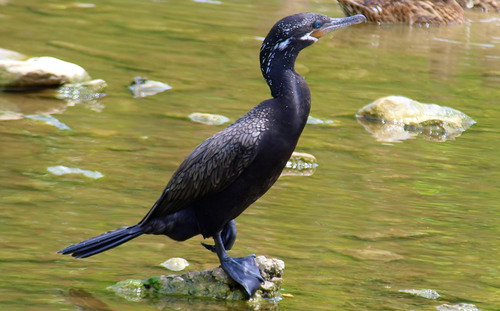 Cormorán neotropical
Neotropic Cormorant
Phalacrocorax brasilianus
Black, slim, dives for fish
Cormorán neotropical
Neotropic Cormorant
Phalacrocorax brasilianus
Black, slim, dives for fish
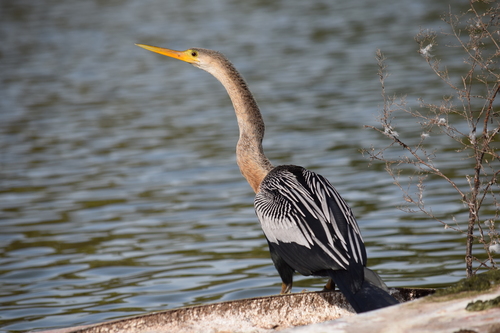 Anhinga / Pájaro serpiente
Anhinga
Anhinga anhinga
Spreads wings to dry; "snakebird" silhouette
Anhinga / Pájaro serpiente
Anhinga
Anhinga anhinga
Spreads wings to dry; "snakebird" silhouette
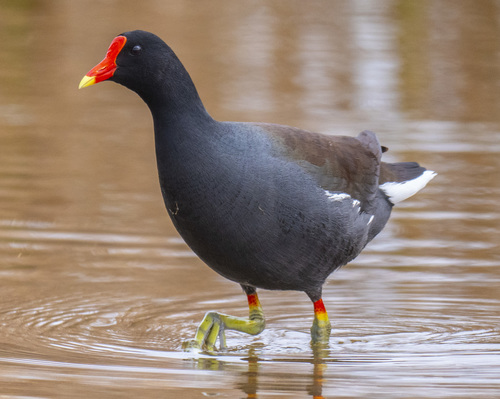 Gallineta común
Common Gallinule
Gallinula galeata
Red bill shield, secretive in reeds
Gallineta común
Common Gallinule
Gallinula galeata
Red bill shield, secretive in reeds
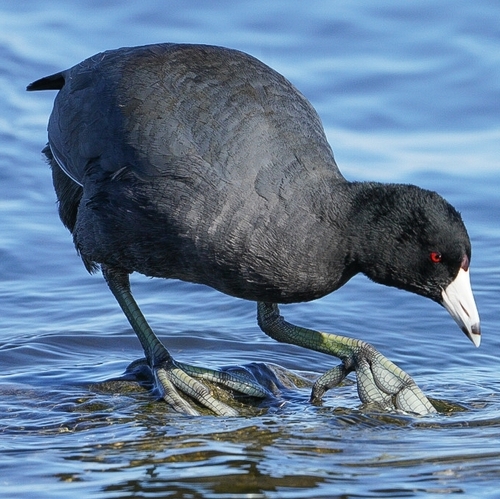 Gallareta americana
American Coot
Fulica americana
Slate-black, white bill, lobed toes
Gallareta americana
American Coot
Fulica americana
Slate-black, white bill, lobed toes
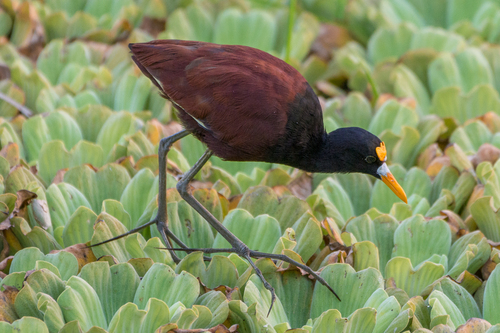 Cirujano / Gallito de agua
Northern Jacana
Jacana spinosa
Walks on lily pads; yellow wing flash
Cirujano / Gallito de agua
Northern Jacana
Jacana spinosa
Walks on lily pads; yellow wing flash
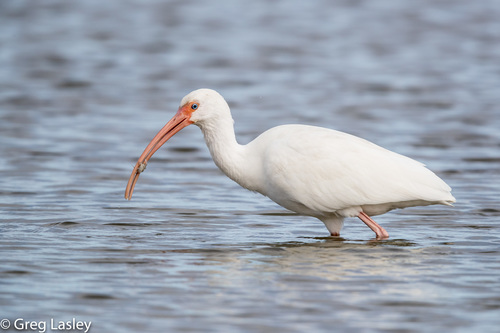 Ibis blanco
White Ibis
Eudocimus albus
All white, curved red bill, lagoon edges
Ibis blanco
White Ibis
Eudocimus albus
All white, curved red bill, lagoon edges
Kingfishers (mangroves & lagoon channels)
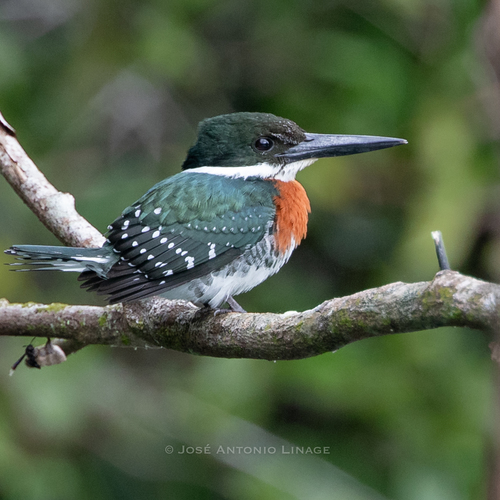 Martín pescador verde
Green Kingfisher
Chloroceryle americana
Small, mangrove channels, often perched low
Martín pescador verde
Green Kingfisher
Chloroceryle americana
Small, mangrove channels, often perched low
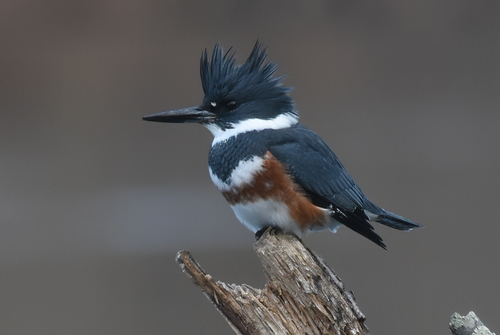 Martín pescador norteño
Belted Kingfisher
Megaceryle alcyon
Larger, rattling call, winter migrant
Martín pescador norteño
Belted Kingfisher
Megaceryle alcyon
Larger, rattling call, winter migrant
Coast, sea & shorebirds
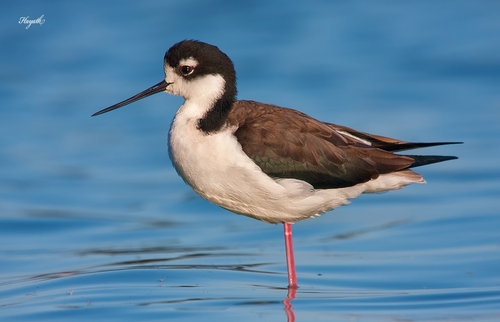 Candelero americano
Black-necked Stilt
Himantopus mexicanus
Mudflats, pink legs, black-and-white
Candelero americano
Black-necked Stilt
Himantopus mexicanus
Mudflats, pink legs, black-and-white
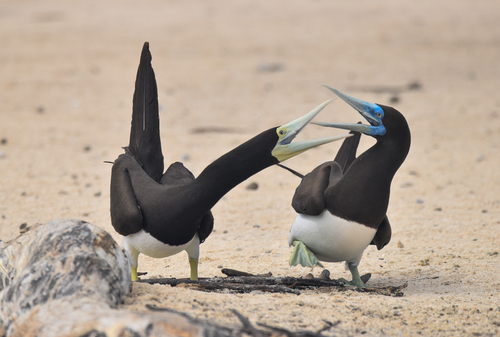 Bobo café
Brown Booby
Sula leucogaster
Offshore plunge-diver, white belly
Bobo café
Brown Booby
Sula leucogaster
Offshore plunge-diver, white belly
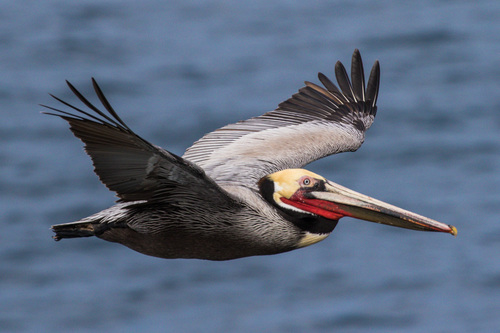 Pelícano pardo
Brown Pelican
Pelecanus occidentalis
Year-round
Pelícano pardo
Brown Pelican
Pelecanus occidentalis
Year-round
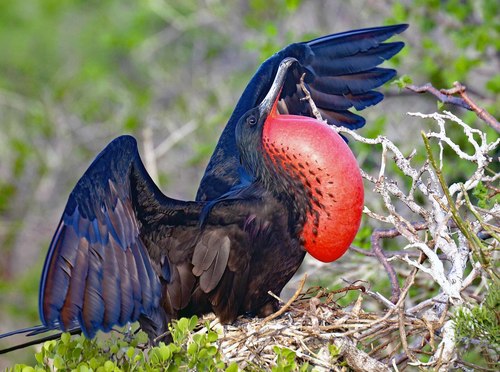 Fragata magnífica
Magnificent Frigatebird
Fregata magnificens
Year-round
Fragata magnífica
Magnificent Frigatebird
Fregata magnificens
Year-round
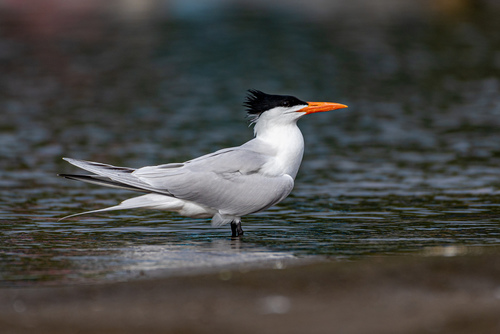 Charrán real
Royal Tern
Thalasseus maximus
Beach, year-round
Charrán real
Royal Tern
Thalasseus maximus
Beach, year-round
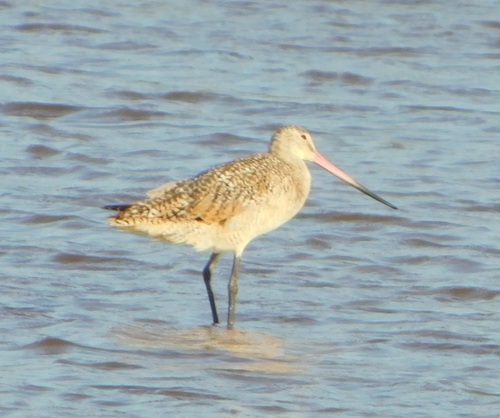 Picopando canelo
Marbled Godwit
Limosa fedoa details →
Shorebird migrant, lagoon edges
Picopando canelo
Marbled Godwit
Limosa fedoa details →
Shorebird migrant, lagoon edges
Raptors (hawks & falcons)
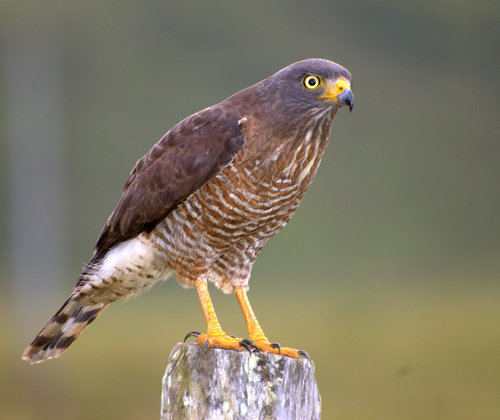 Aguililla camino
Roadside Hawk
Rupornis magnirostris
Common, brown
Aguililla camino
Roadside Hawk
Rupornis magnirostris
Common, brown
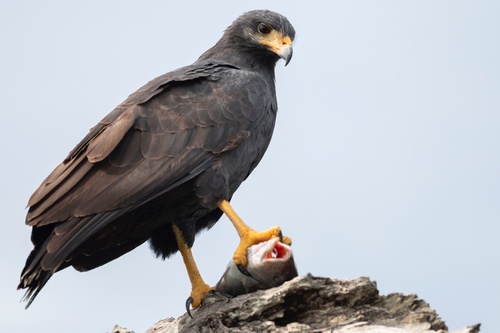 Aguililla negra menor
Common Black Hawk
Buteogallus anthracinus
Coastal, riparian
Aguililla negra menor
Common Black Hawk
Buteogallus anthracinus
Coastal, riparian
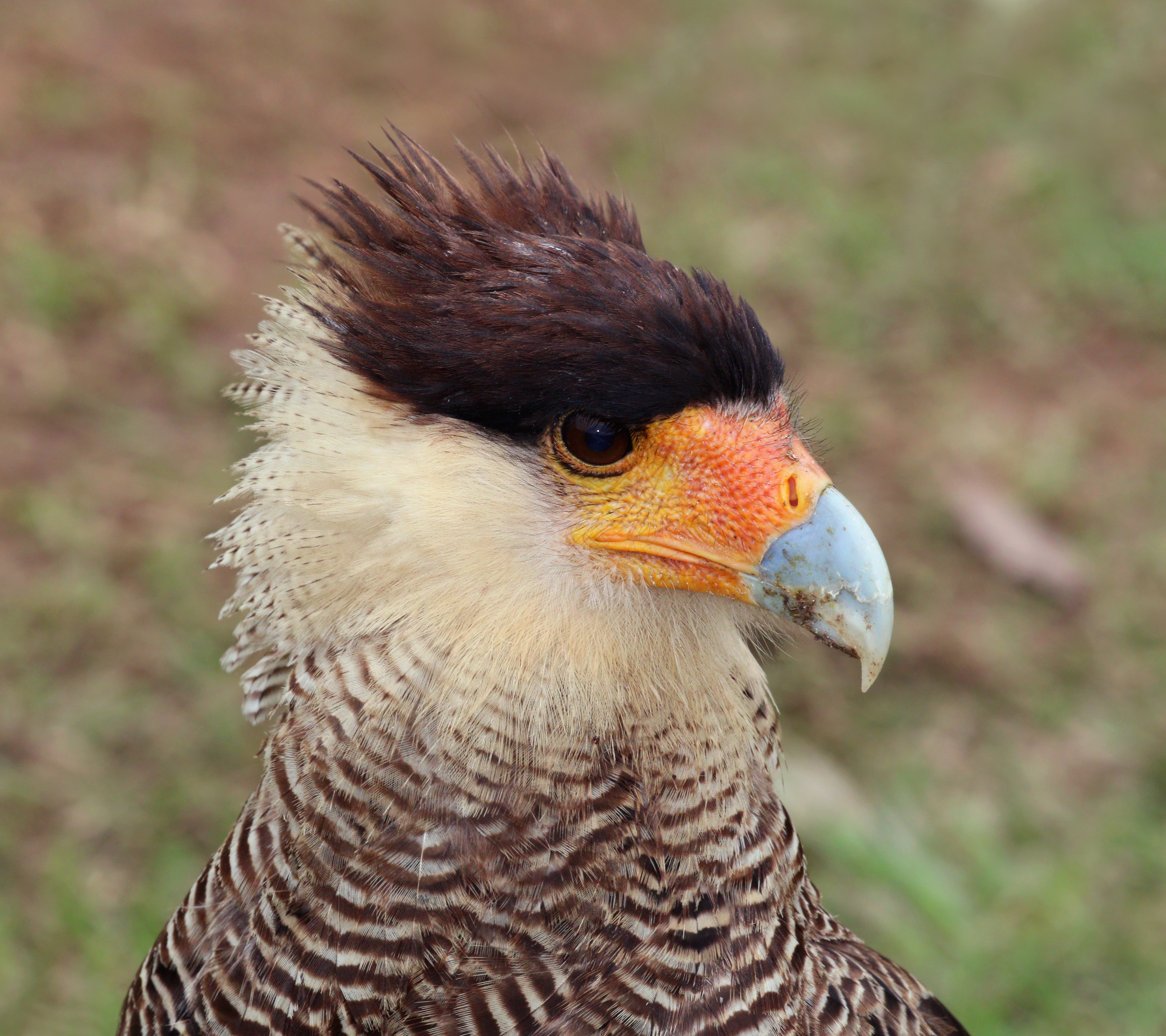
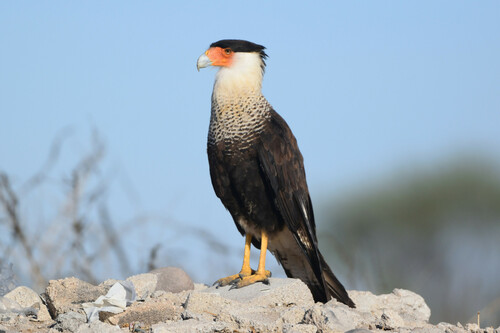 Caracara quebrantahuesos
Crested Caracara
Caracara plancus
Often on the ground
Caracara quebrantahuesos
Crested Caracara
Caracara plancus
Often on the ground
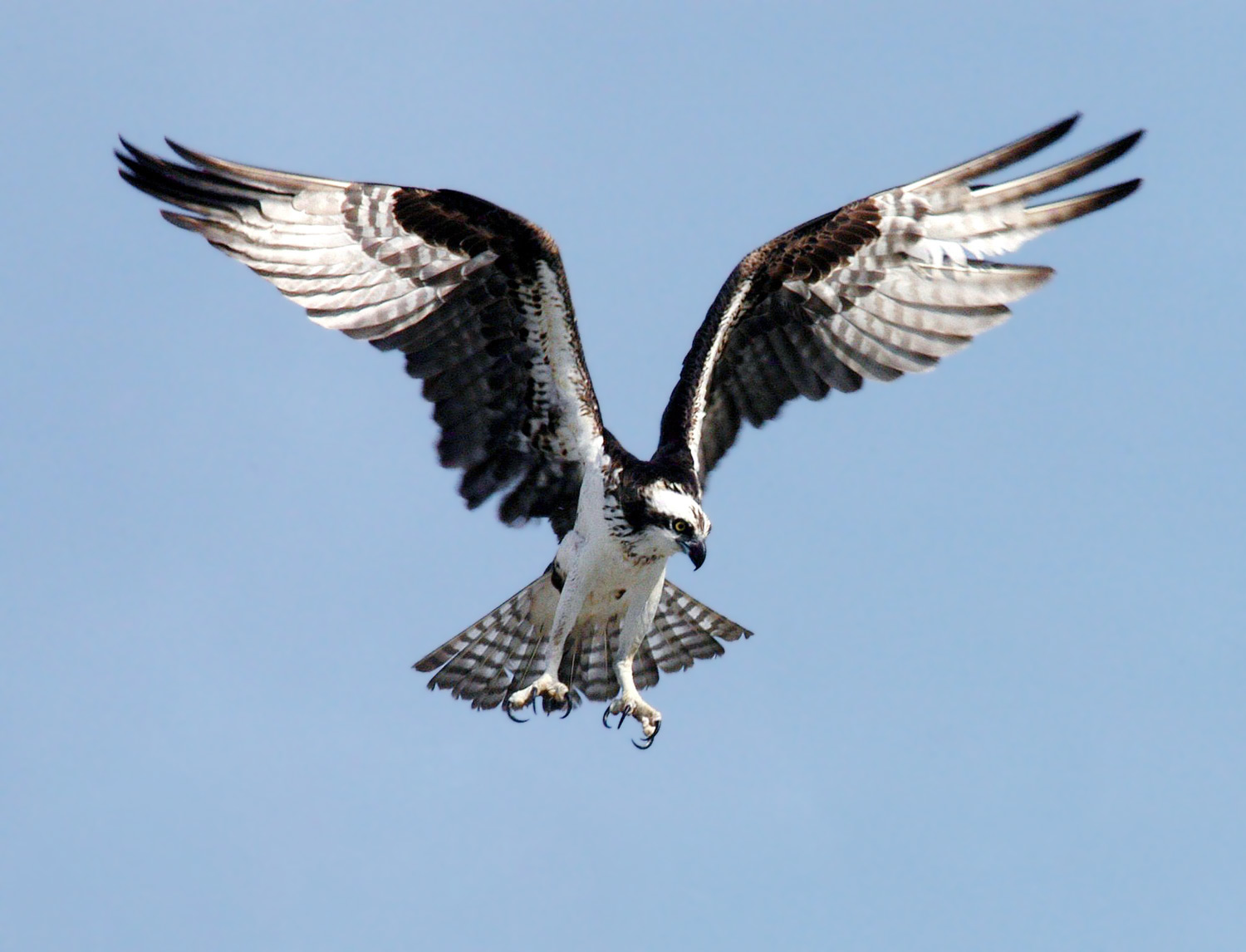
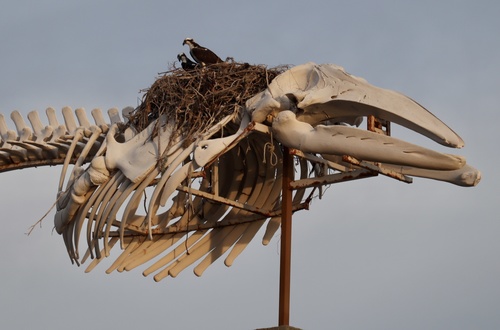 Águila pescadora
Osprey
Pandion haliaetus details →
Fish hawk, winter visitor
Águila pescadora
Osprey
Pandion haliaetus details →
Fish hawk, winter visitor
Forest, scrub & village
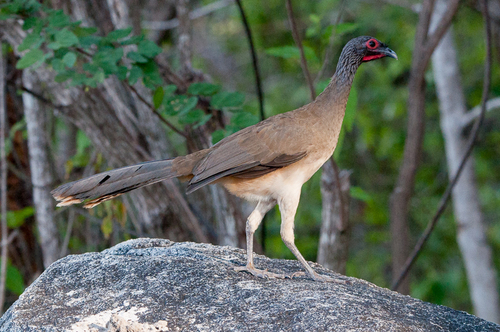 Chachalaca occidental
West Mexican Chachalaca
Ortalis poliocephala
Mexican endemic
Chachalaca occidental
West Mexican Chachalaca
Ortalis poliocephala
Mexican endemic
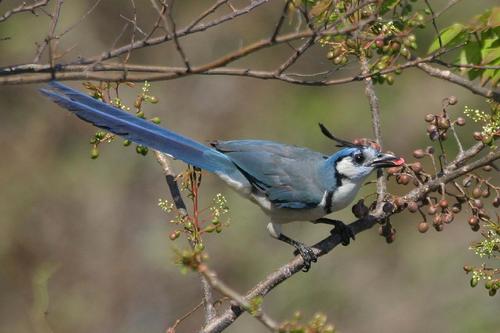 Urraca-hermosa cara blanca
White-throated Magpie-Jay
Calocitta formosa
Dry forest
Urraca-hermosa cara blanca
White-throated Magpie-Jay
Calocitta formosa
Dry forest
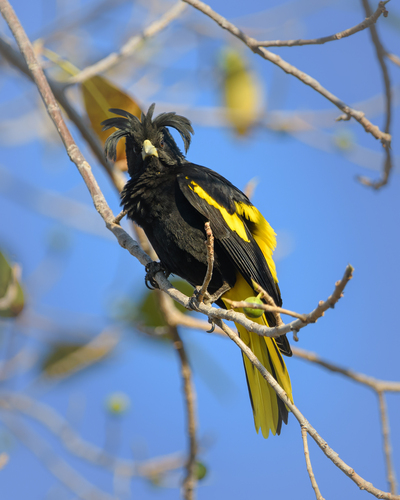 Cacique mexicano
Yellow-winged Cacique
Cassiculus melanicterus
Mexican endemic
Cacique mexicano
Yellow-winged Cacique
Cassiculus melanicterus
Mexican endemic
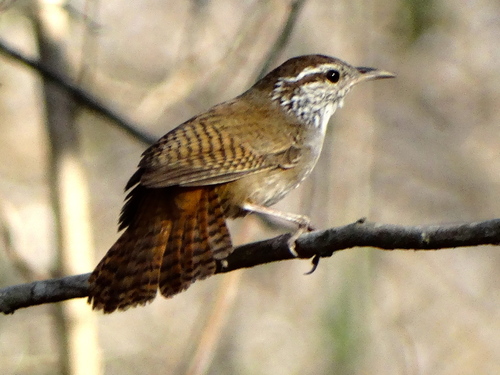 Saltapared sinaloense
Sinaloa Wren
Thryophilus sinaloa
Mexican endemic
Saltapared sinaloense
Sinaloa Wren
Thryophilus sinaloa
Mexican endemic
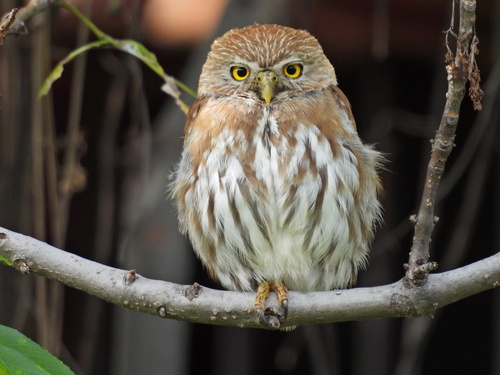 Tecolote enano
Ferruginous Pygmy-Owl
Glaucidium brasilianum
Small tropical owl
Tecolote enano
Ferruginous Pygmy-Owl
Glaucidium brasilianum
Small tropical owl
 Trogón citrino
Citreoline Trogon
Trogon citreolus
Mexican endemic
Trogón citrino
Citreoline Trogon
Trogon citreolus
Mexican endemic
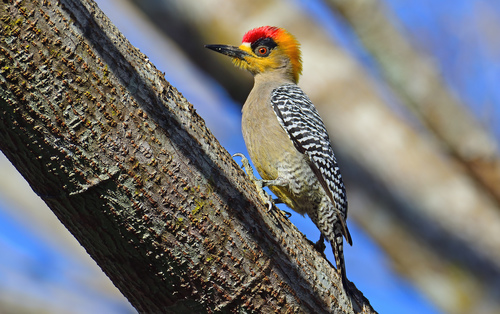 Carpintero enmascarado
Golden-cheeked Woodpecker
Melanerpes chrysogenys
Mexican endemic
Carpintero enmascarado
Golden-cheeked Woodpecker
Melanerpes chrysogenys
Mexican endemic
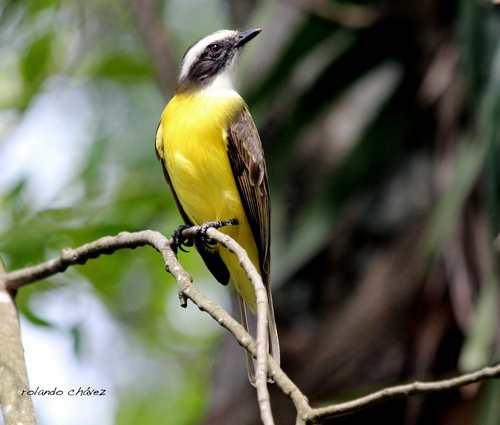 Bienteveo social
Social Flycatcher
Myiozetetes similis
Vocal, year-round
Bienteveo social
Social Flycatcher
Myiozetetes similis
Vocal, year-round
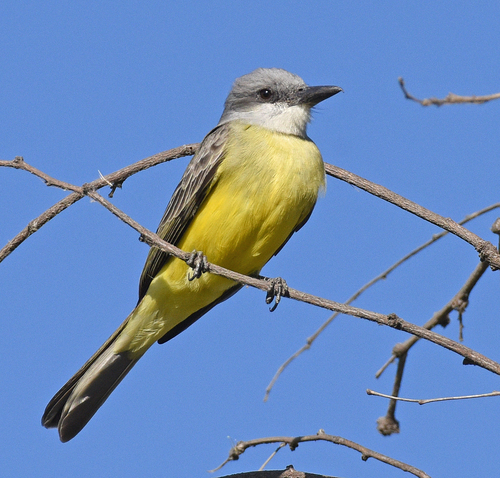 Tirano tropical
Tropical Kingbird
Tyrannus melancholicus
Year-round
Tirano tropical
Tropical Kingbird
Tyrannus melancholicus
Year-round
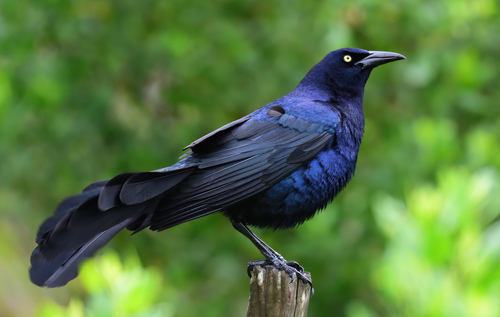 Zanate
Great-tailed Grackle
Quiscalus mexicanus
Ubiquitous
Zanate
Great-tailed Grackle
Quiscalus mexicanus
Ubiquitous
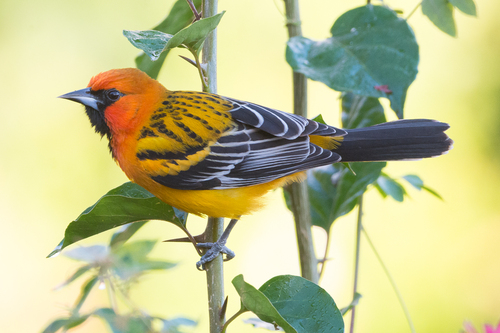 Bolsero dorso rayado
Streak-backed Oriole
Icterus pustulatus
Year-round
Bolsero dorso rayado
Streak-backed Oriole
Icterus pustulatus
Year-round
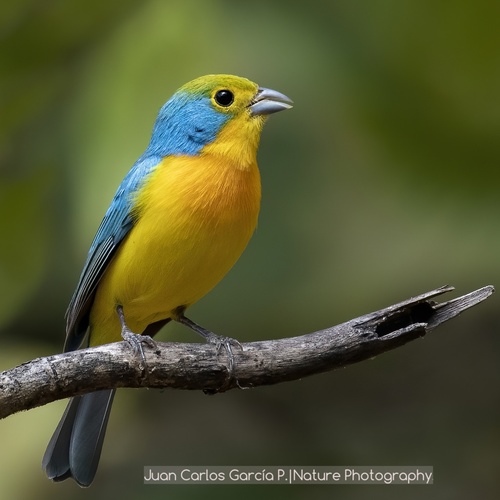 Colorín pecho naranja
Orange-breasted Bunting
Passerina leclancherii
Mexican endemic
Colorín pecho naranja
Orange-breasted Bunting
Passerina leclancherii
Mexican endemic
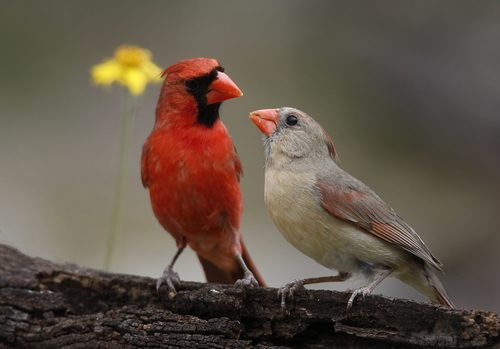 Cardenal rojo
Northern Cardinal
Cardinalis cardinalis
Year-round
Cardenal rojo
Northern Cardinal
Cardinalis cardinalis
Year-round
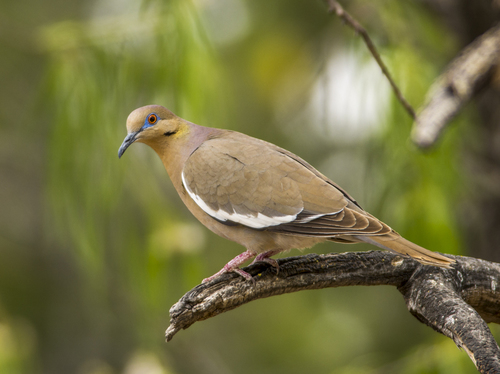 Paloma alas blancas
White-winged Dove
Zenaida asiatica
Year-round
Paloma alas blancas
White-winged Dove
Zenaida asiatica
Year-round
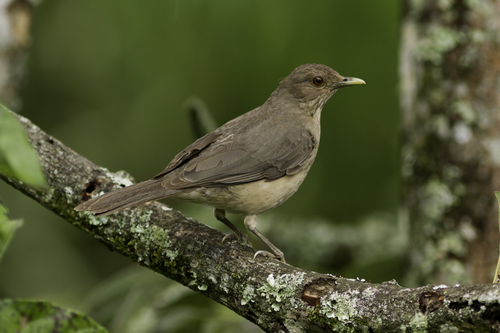 Mirlo pardo
Clay-colored Thrush
Turdus grayi
Year-round, gardens & edges
Mirlo pardo
Clay-colored Thrush
Turdus grayi
Year-round, gardens & edges
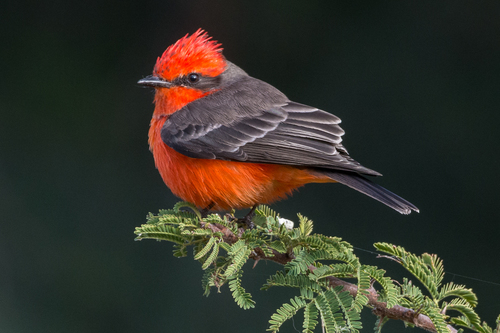 Cardenalito de agua / Mosquero cardenal
Vermilion Flycatcher
Pyrocephalus rubinus
Brilliant red male, village edges
Cardenalito de agua / Mosquero cardenal
Vermilion Flycatcher
Pyrocephalus rubinus
Brilliant red male, village edges
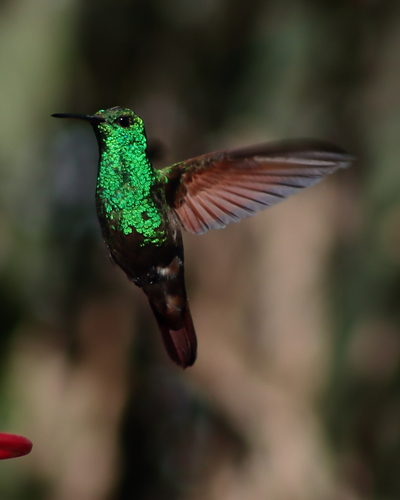 Colibrí berilo
Berylline Hummingbird
Saucerottia beryllina
Common Pacific MX hummer, rusty wings
Colibrí berilo
Berylline Hummingbird
Saucerottia beryllina
Common Pacific MX hummer, rusty wings
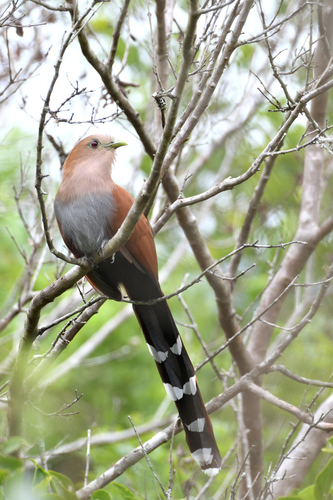 Cuco ardilla / Vaquero
Squirrel Cuckoo
Piaya cayana
Long-tailed, rufous, dry forest
Cuco ardilla / Vaquero
Squirrel Cuckoo
Piaya cayana
Long-tailed, rufous, dry forest
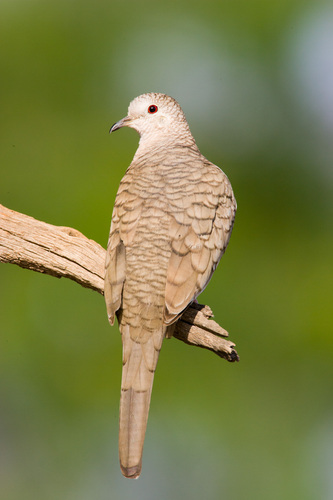 Tórtola colilarga
Inca Dove
Columbina inca
Roads at dawn/dusk, white tail flash
Tórtola colilarga
Inca Dove
Columbina inca
Roads at dawn/dusk, white tail flash
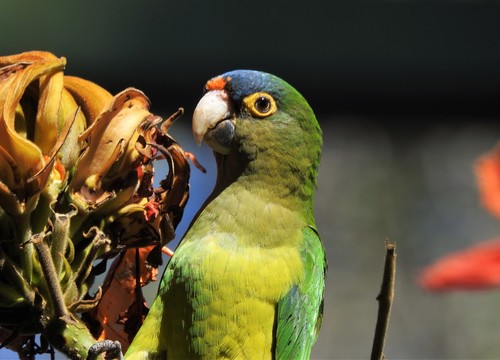 Periquito frente naranja
Orange-fronted Parakeet
Eupsittula canicularis
Noisy flocks, farms & trees
Periquito frente naranja
Orange-fronted Parakeet
Eupsittula canicularis
Noisy flocks, farms & trees
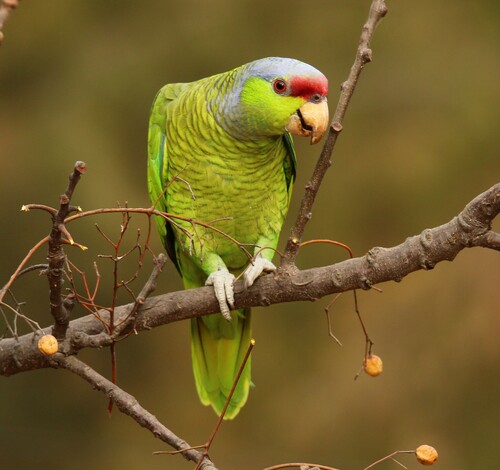 Loro corona lila
Lilac-crowned Parrot
Amazona finschi
Mexican endemic · IUCN Vulnerable
Loro corona lila
Lilac-crowned Parrot
Amazona finschi
Mexican endemic · IUCN Vulnerable
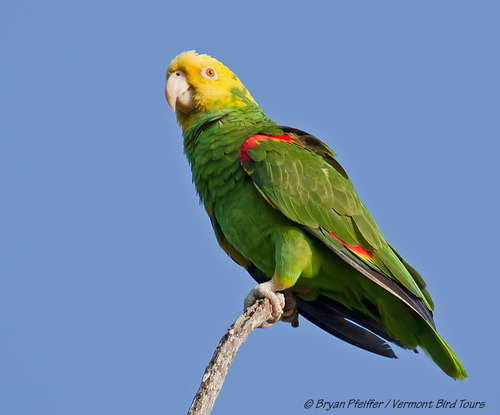 Loro cabeza amarilla
Yellow-headed Parrot
Amazona oratrix
IUCN Endangered · candidate ID, photo needed
Loro cabeza amarilla
Yellow-headed Parrot
Amazona oratrix
IUCN Endangered · candidate ID, photo needed
Seasonal migrants & warblers
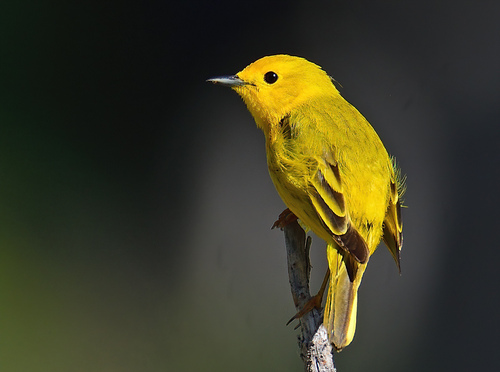 Chipe amarillo
Northern Yellow Warbler
Setophaga aestiva
Winter migrant
Chipe amarillo
Northern Yellow Warbler
Setophaga aestiva
Winter migrant
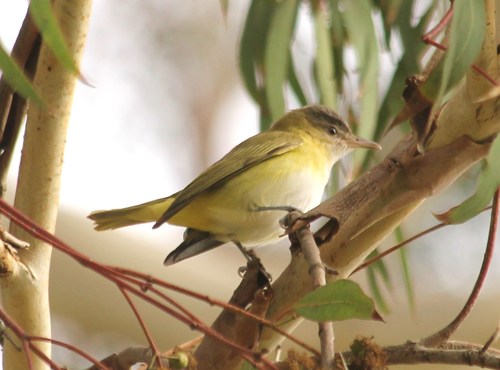 Vireo verde-amarillo
Yellow-green Vireo
Vireo flavoviridis
Spring–summer migrant
Vireo verde-amarillo
Yellow-green Vireo
Vireo flavoviridis
Spring–summer migrant
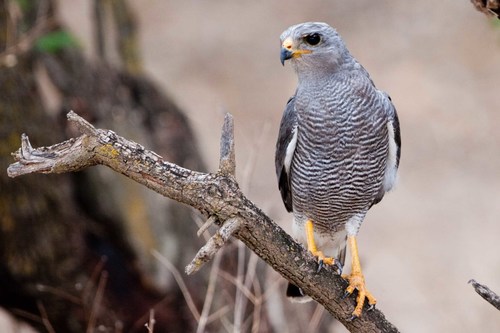
Photos via iNaturalist (CC-licensed observations from across the Pacific Mexican range). Species grouped by habitat. Herons are the signature group at the estuary; the dry forest behind the village holds eight Mexican endemics or near-endemics — Yellow-winged Cacique, Sinaloa Wren, West Mexican Chachalaca, Citreoline Trogon, Golden-cheeked Woodpecker, Orange-breasted Bunting, and the Vulnerable Lilac-crowned Parrot, plus the regional Gray Hawk. The Lilac-crowned Parrot specifically is one of the species the Pacific slope of Mexico is responsible for protecting globally.
Rarities and the secretive ones
Garza cucharón / Boat-billed Heron (Cochlearius cochlearius): present in the Río Petatlán mangroves but uncommon and crepuscular — most often seen at the lagoon edge near dawn or dusk. The huge, spatula-shaped bill is unmistakable. Roosts in dense vegetation by day. If you see one, upload to iNaturalist.
Garceta rojiza / Reddish Egret (Egretta rufescens): global population estimated under 10,000. Near Threatened (IUCN). The Guerrero Pacific coast supports one of the larger wintering populations.
The 18-species list to the left is what you'll see on a normal day. Anything else is a bonus — and worth logging. eBird hotspot for Saladita: L3356631.
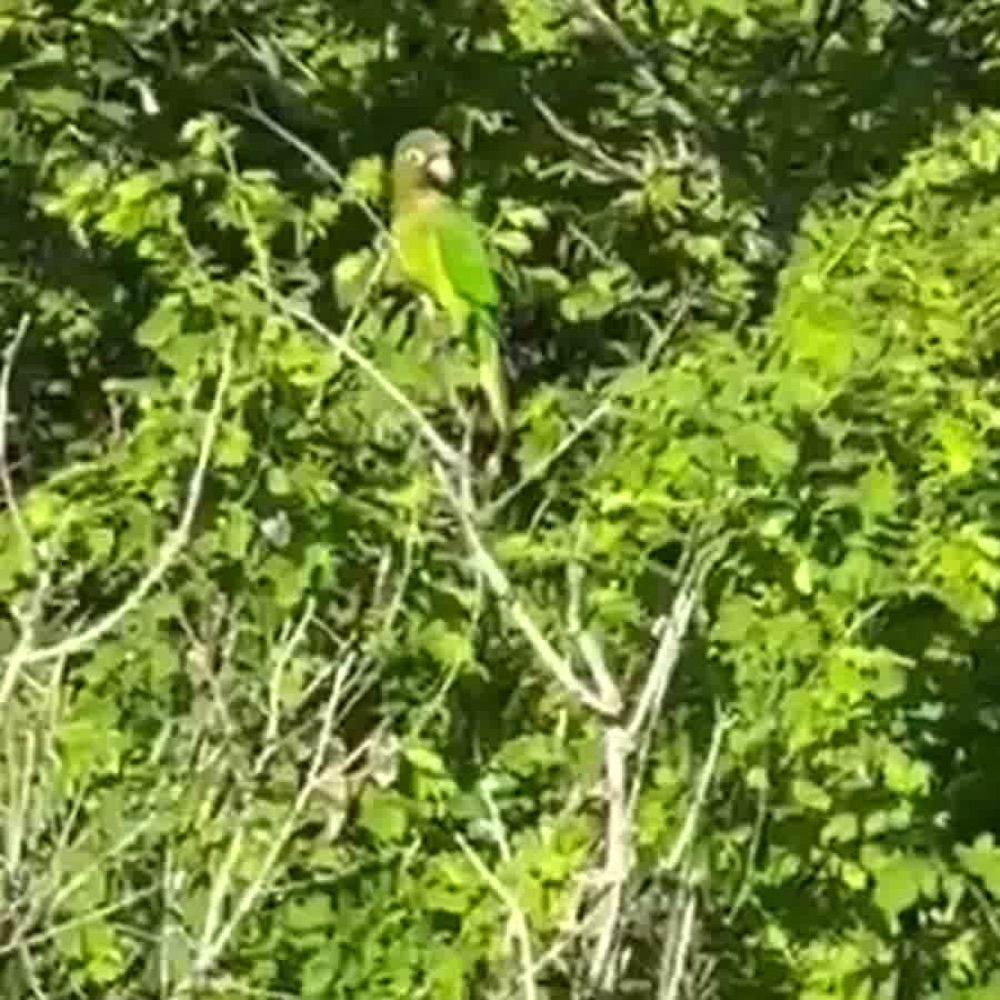
Orange-fronted Parakeet
Eupsittula canicularis Year-round resident · Pacific Mexico endemic Breeding April – July (pairs)The signature parakeet of Mexico's Pacific dry-forest slope, from Sinaloa to Chiapas. Bright green body, blue forecrown with an orange brow band, yellow beak, pale eye-ring, and bright blue primaries flashing in flight — the diagnostic field mark that separates it from look-alike congeners. Travels in noisy flocks most of the year; in breeding season (April–July) you'll see paired adults near nest cavities. Observed as a pair at Casa Kona on 2026-06-14 in the dry-forest behind the property, the brown-and-blue head pattern reading as a "brown hood" in shadow until the bird took flight and the blue primaries gave it away.
IUCN Least Concern globally, but Mexican populations are declining from pet-trade pressure — Orange-fronted is one of the most heavily trafficked native parrots in the country. Worth uploading to iNaturalist; the Saladita 50 km radius has sparse coverage of this species relative to its actual abundance.
View species detail →
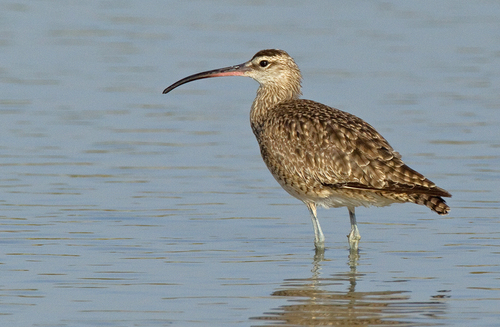
Whimbrel
Numenius phaeopus Data pending · Common · Aug–Oct (literature) Peak: August – OctoberOne of the Pacific Flyway's signature long-distance migrants, the Whimbrel breeds on Arctic tundra and winters along tropical coasts. The distinctive down-curved bill and bold head stripes make it one of the easier shorebirds to identify. Saladita's mudflats and lagoon margins are exactly the habitat it seeks during southbound migration through August and September.
View species detail →
Magnificent Frigatebird
Fregata magnificens Data pending · Common · Year-round (literature) Year-round residentThe frigatebird is one of the most conspicuous birds along this coast — a large, angular silhouette soaring on long scythe-shaped wings above the break all year. Males display a distinctive inflatable red throat pouch. Frigatebirds live largely by piracy, routinely chasing other seabirds and forcing them to drop their catch mid-flight.
View species detail →
Roseate Spoonbill
Platalea ajaja Data pending · Uncommon · Nov–Mar (literature) November – MarchOne of the most visually striking waterbirds in the Americas, the Roseate Spoonbill's pink plumage and spatula-shaped bill are unmistakable. In winter, small numbers move into the Río Petatlán lagoon system. The population wintering on Mexico's Pacific coast is small, making any sighting here relatively uncommon and worth noting.
View species detail →
Brown Pelican
Pelecanus occidentalis Data pending · Common · Year-round (literature) Year-round residentBrown Pelicans are a constant presence along Saladita's beach — gliding in loose formation above the breaks, then plunge-diving for fish with an audible splash. Watching a pelican drop from fifteen feet with the same rhythm as a surfer reading a set is one of the incidental pleasures of time in the water here.
View species detail →
Reddish Egret
Egretta rufescens Notable · NT (IUCN) · <10,000 globally October – AprilThe Reddish Egret is among the rarest herons in North America, with a global population estimated under 10,000 individuals. Its foraging behavior is distinctive — it runs, spreads its wings, and lunges at fish in a canopy-feeding posture unlike any other heron. The lagoon and tidal flats adjacent to Saladita provide appropriate habitat.
View species detail →More species recorded at La Saladita